Psychological and family support follow-up
Turning donations into services that can be arranged and followed through, accompanying young people and families through hardship.

Support Hub
Some emotional distress is difficult to see and should not be publicly displayed. This hub uses only aggregate service information and anonymous composite comics to show how donations become ongoing support, while putting the privacy of every young person and family first.
Publicly reported service period: May 2025 to February 2026. The website does not disclose names, faces, schools, addresses, case numbers, exact dates or any identifiable service records.
How donations become companionship
Funds and public attention generated by the Gobi Charity Walk have been directed to psychological and family support, outreach follow-up, charitable activities and in-depth family support. These figures are not intended to expose beneficiaries, but to show donors that every contribution can become someone willing to listen, someone willing to show up and someone willing to follow through.
Turning donations into services that can be arranged and followed through, accompanying young people and families through hardship.
Taking support to places where families and communities can access it, so people in need do not first have to overcome a high barrier to seeking help.
Use safe, gentle charitable activities to help children, families, volunteers and community partners reconnect.
Within the overall service programme, ongoing follow-up and suitable referrals are arranged according to each family’s actual needs.
From Donations to the Front Line
The Support Hub does not reveal beneficiary identities. It explains how resources from the Gobi Charity Walk become frontline support, family accompaniment and community participation.
Through the Gobi Charity Walk, participants, donors, volunteers and corporate partners bring public attention and service resources together.
Resources are directed to psychological and family support, outreach follow-up, caregiver support and charitable activity arrangements, enabling services to begin in practice.
Frontline services arrange the number of follow-up sessions, service settings and necessary referrals according to each family’s circumstances, preventing support from ending after a single intervention.
The website publishes only aggregate statistics and anonymous composite comic scenarios. It does not disclose any identifiable beneficiary information.
Anonymous comic scenario
The comics below do not depict any single real case and are not images from original reports. They use repackaged composite scenarios to illustrate support processes commonly seen in frontline services. The purpose is not to identify who received help, but to encourage more people to sustain this support.
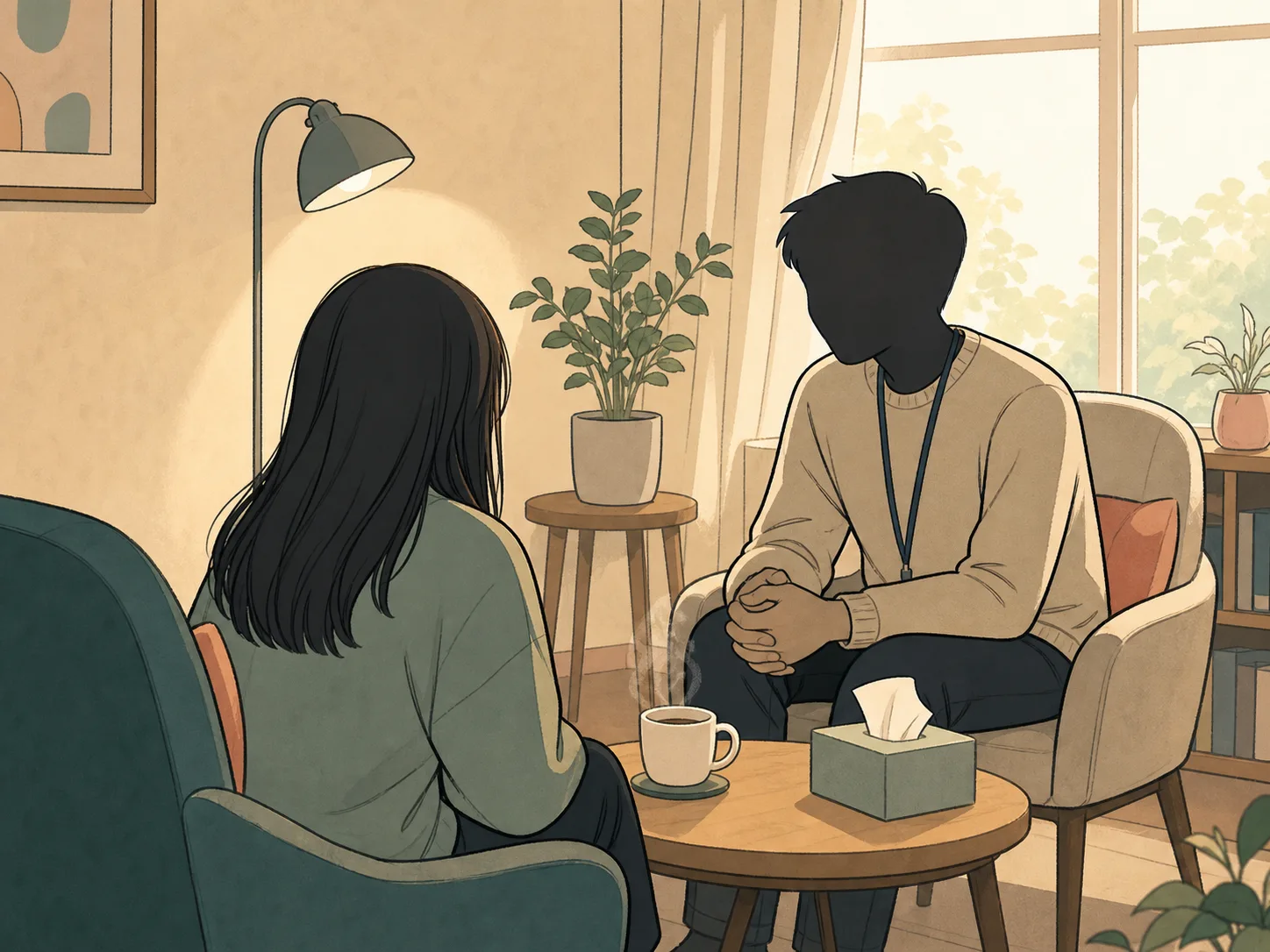
When a young person or family is trapped by emotional stress, support begins with safe time in which they are heard.
This is an anonymous composite comic scenario, not imagery of a real case. The people, settings and details have all been reconstructed.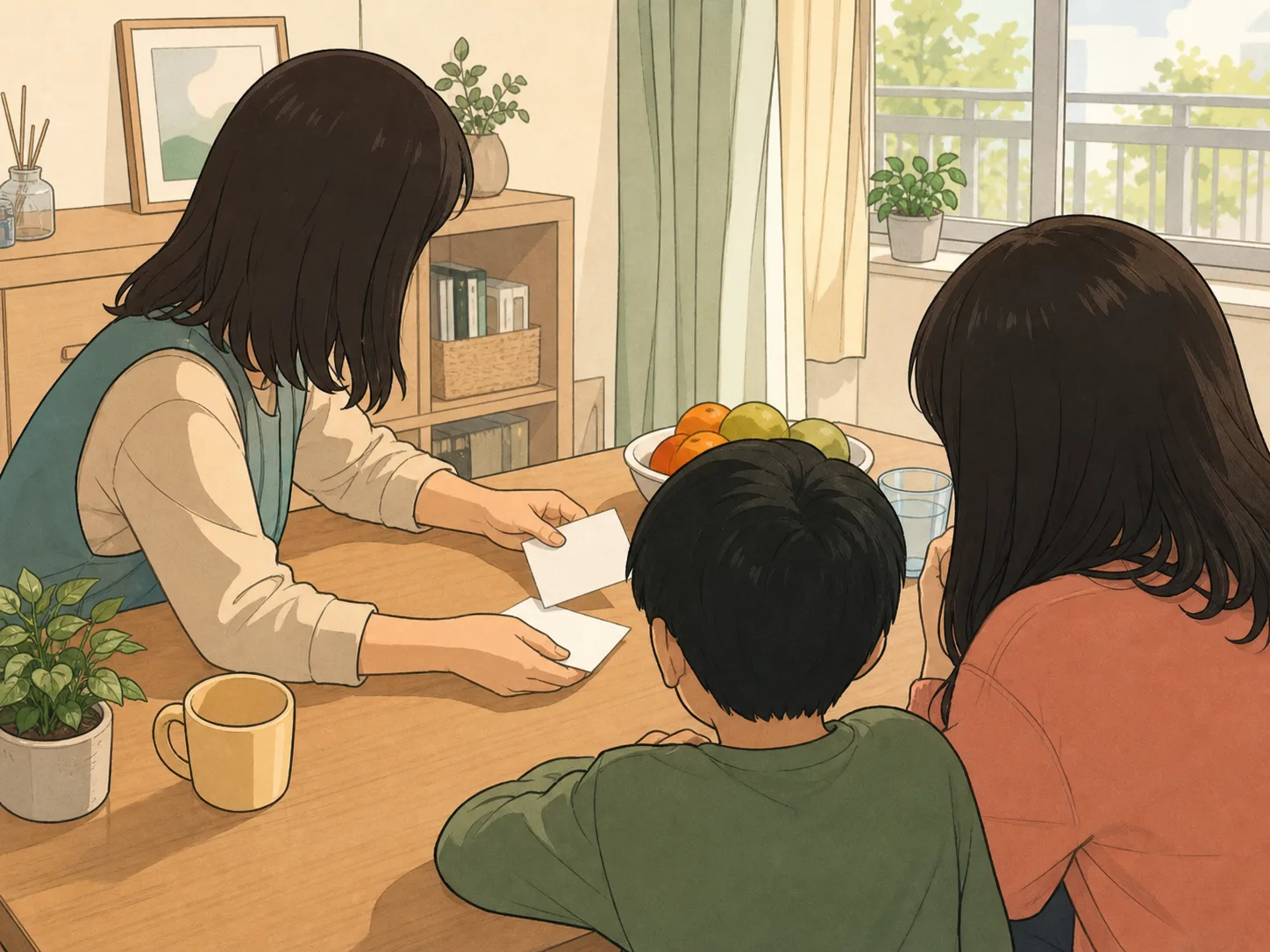
Some families may not be able to seek help proactively. Outreach and home follow-up bring support closer to everyday life.
This is an anonymous composite comic scenario, not imagery of a real case. The people, settings and details have all been reconstructed.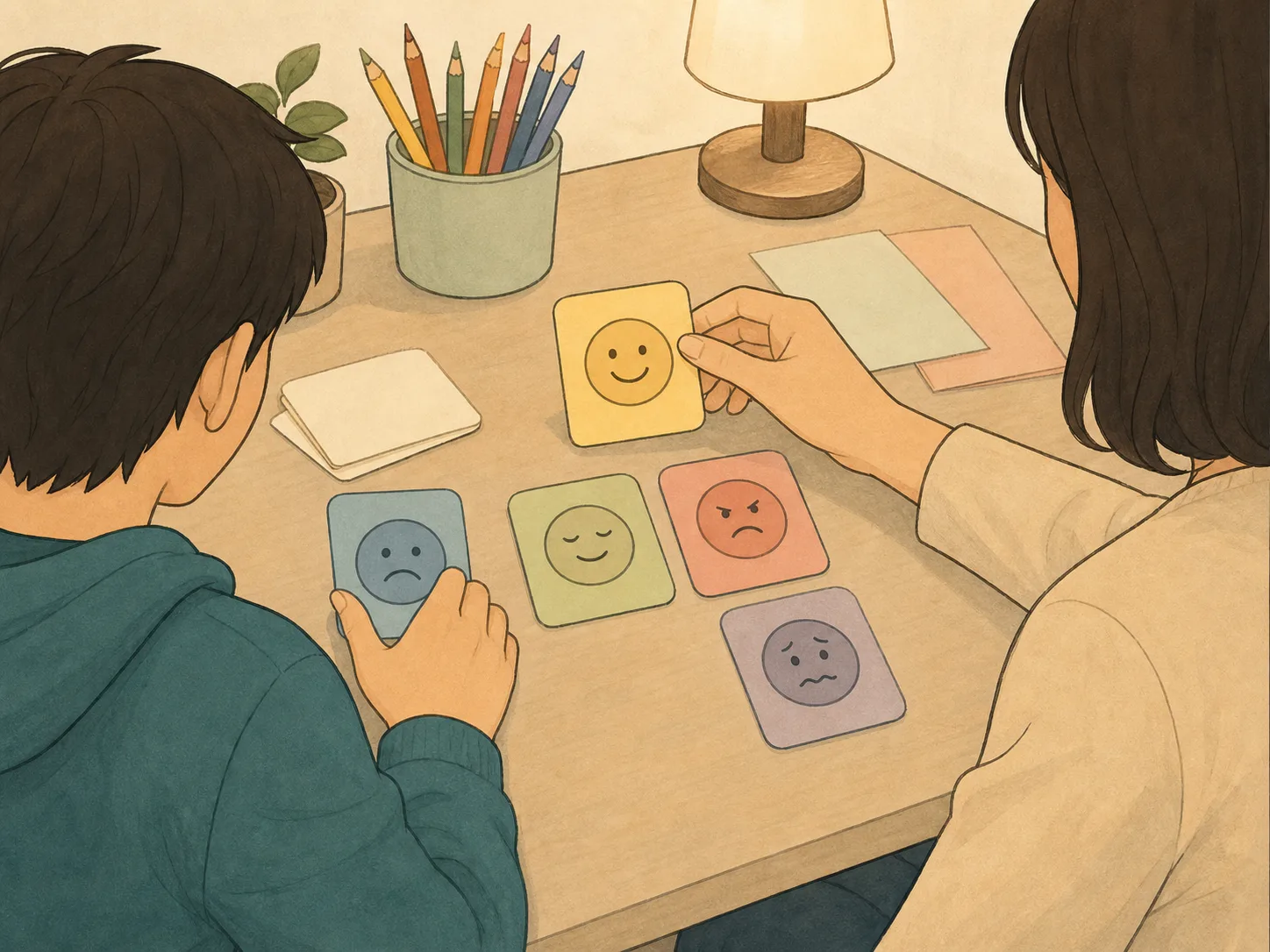
Through suitable activities and conversations, young people can gradually learn to recognise their feelings, express stress and know that they can seek help.
This is an anonymous composite comic scenario, not imagery of a real case. The people, settings and details have all been reconstructed.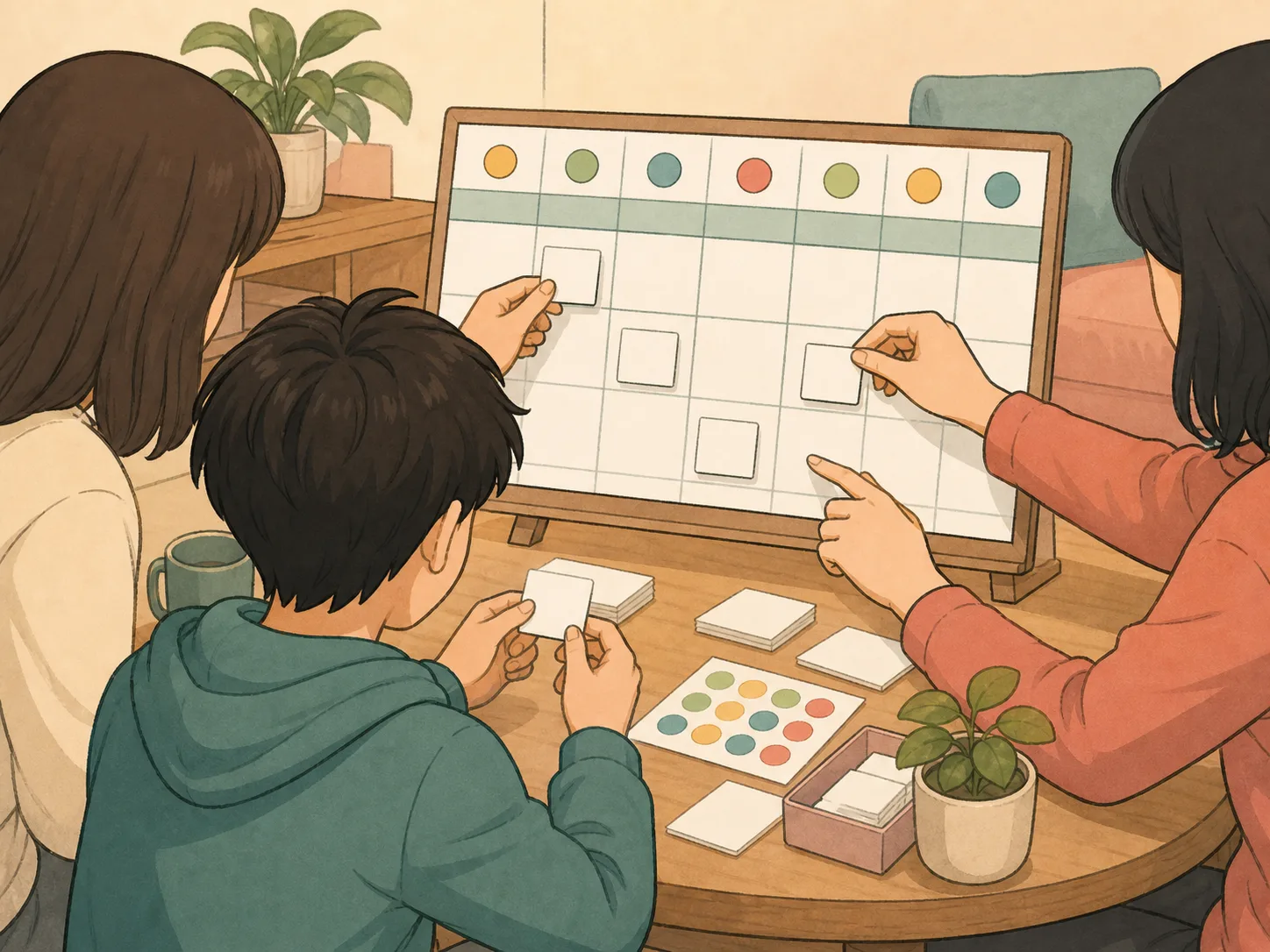
Support goes beyond a single conversation. It also helps families bring emotional cues, daily routines and communication approaches into everyday life.
This is an anonymous composite comic scenario, not imagery of a real case. The people, settings and details have all been reconstructed.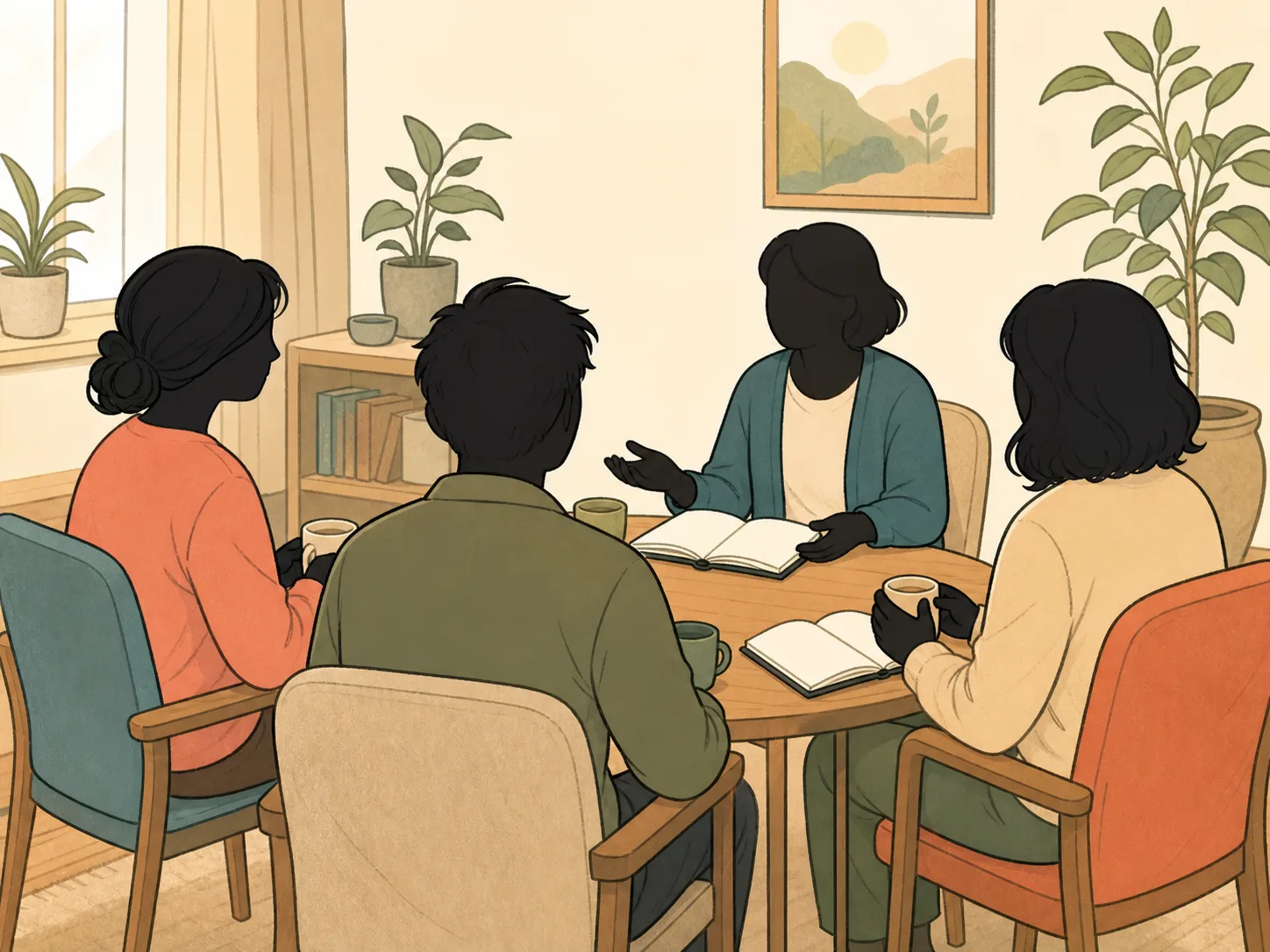
The adults around young people also need to be understood. When carers connect with resources, families have greater strength to continue the journey together.
This is an anonymous composite comic scenario, not imagery of a real case. The people, settings and details have all been reconstructed.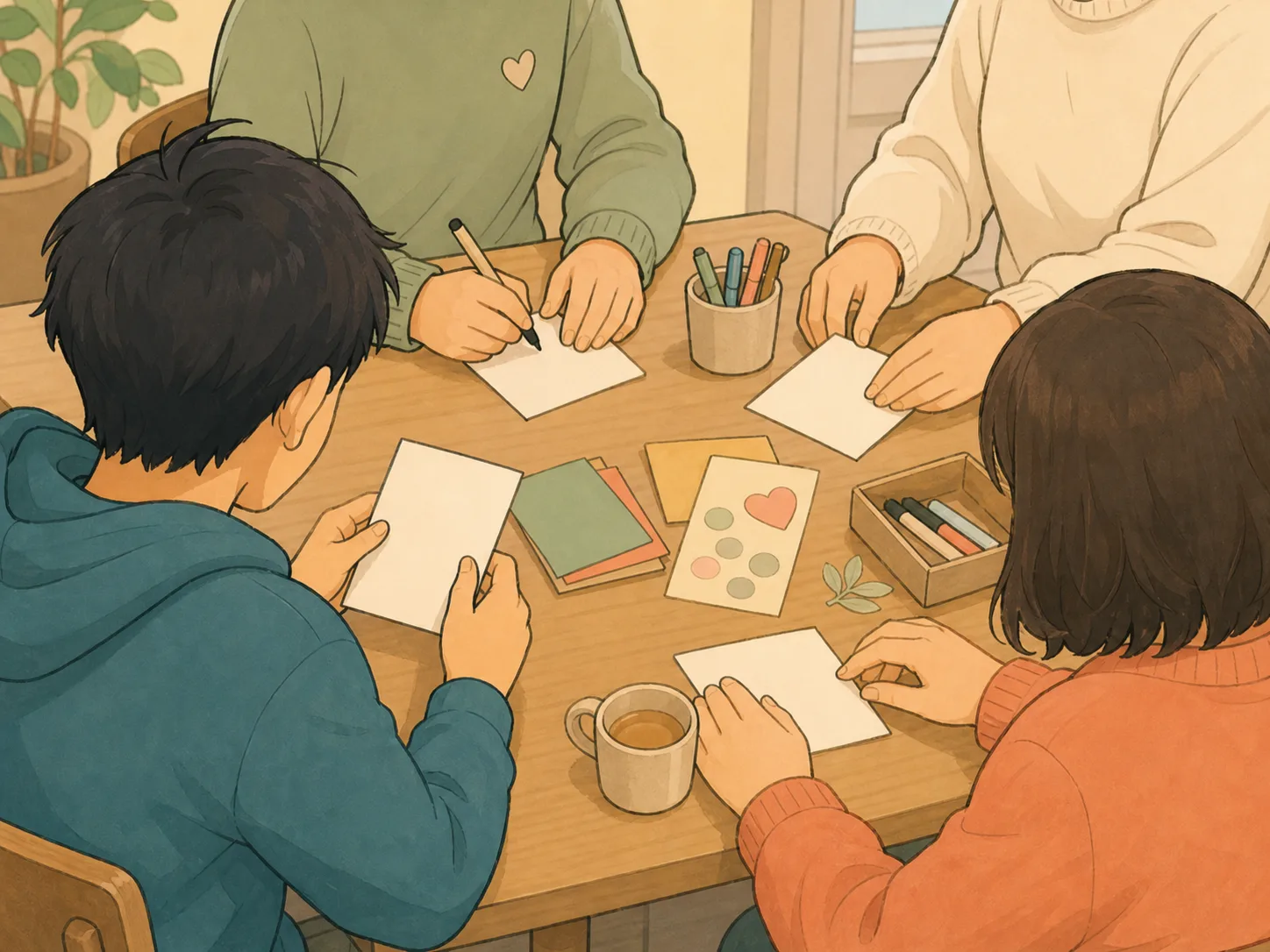
Charitable activities are not about displaying who received help, but about enabling families, volunteers and communities to reconnect in safe settings.
This is an anonymous composite comic scenario, not imagery of a real case. The people, settings and details have all been reconstructed.Ways to Provide Support
Helping families first establish a sense of safety and a direction for seeking help, so they do not have to bear hardship alone at home.
Centred on companionship, expression and understanding, giving children and carers space to process stress.
Support families in carrying services into everyday life through daily routines, care strategies and communication approaches.
Extending support from children to carers and building a more stable family-support environment.
Privacy Protection
Charitable services need to be understood by society, but beneficiaries should not risk being identified through public reporting. The Foundation publishes only aggregate statistics, anonymous composite comics and service periods stated by month.
Support the next stage of companionship
Every contribution can become more psychological and family support, outreach follow-up, caregiver support and community activities. Donate, volunteer or work with the Foundation to bring support closer to more families.